If you have ever taken a deep breath and felt your shoulders drop, you have already used your vagus nerve. It is one of the most important — and most overlooked — parts of staying calm under pressure.
What the vagus nerve actually does
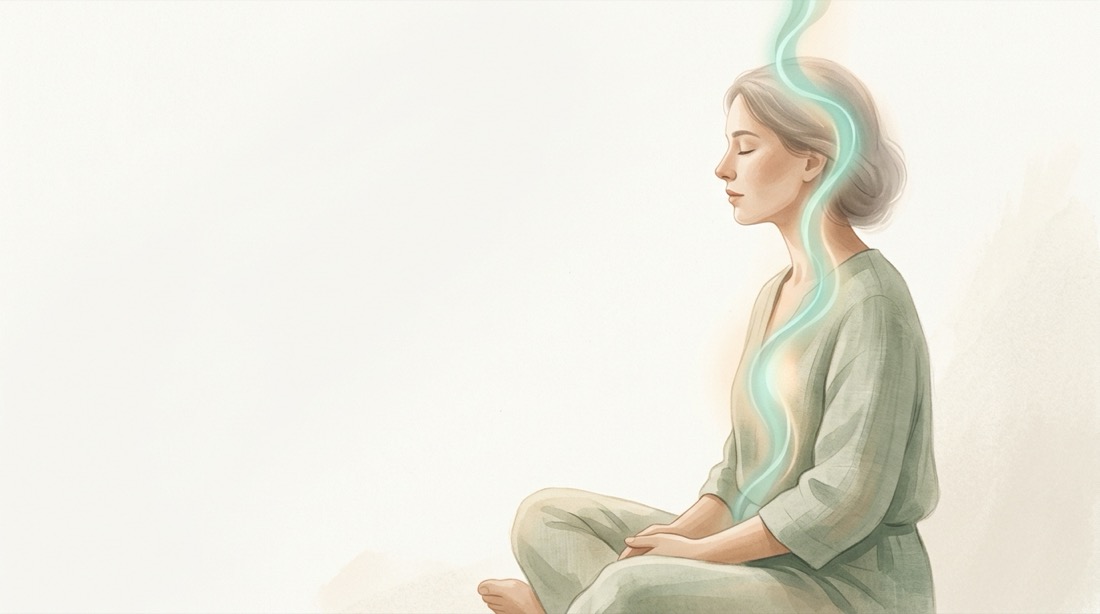
The vagus nerve is the main highway of your parasympathetic nervous system — the "rest and digest" side that counterbalances fight-or-flight. It runs from your brainstem down to your heart, lungs, and gut, constantly sensing what is happening in your body and helping it settle back to baseline after stress.
When that system is working well, you recover quickly from a stressful moment. When it is sluggish, stress lingers: your heart stays elevated, your mind keeps racing, and sleep suffers.
"Vagal tone" and why it matters
Vagal tone is a measure of how responsive that brake pedal is. Higher vagal tone is associated with better stress recovery, more stable mood, better digestion, and stronger heart-rate variability (HRV) — a widely used marker of resilience.
The good news: vagal tone is trainable. Like a muscle, it responds to consistent, gentle practice — and like any training, you only know it is working if you track it over time.
Simple ways to strengthen it
You do not need special equipment. A few reliable levers:
- Slow exhales. Breathe so your out-breath is longer than your in-breath (try four seconds in, six to eight out). Long exhales directly activate the vagus nerve.
- Humming, chanting, or singing. The vagus connects to your vocal cords; gentle vocalization stimulates it.
- Cold exposure. A cold splash on the face or the end of a shower triggers a calming vagal response.
- Slow, connected conversation. Feeling safe and heard is itself a vagal cue — part of why simply talking something through can settle you.
Where MyUltra.Coach fits
Knowing these techniques is one thing; remembering to use them when you are stressed — and noticing whether they are actually working over weeks — is another. That is where a coach helps. In a session, MyUltra.Coach can walk you through a paced-breathing exercise in real time, help you notice when you are wired, and keep a record of your calm-versus-wired days so the trend becomes visible.
Over time, the goal is not just to know about your vagus nerve — it is to live with a nervous system that bounces back faster, and to be able to see that improvement. A few minutes of guided practice, most days, is enough to start. Try it for yourself.